

In partnership with

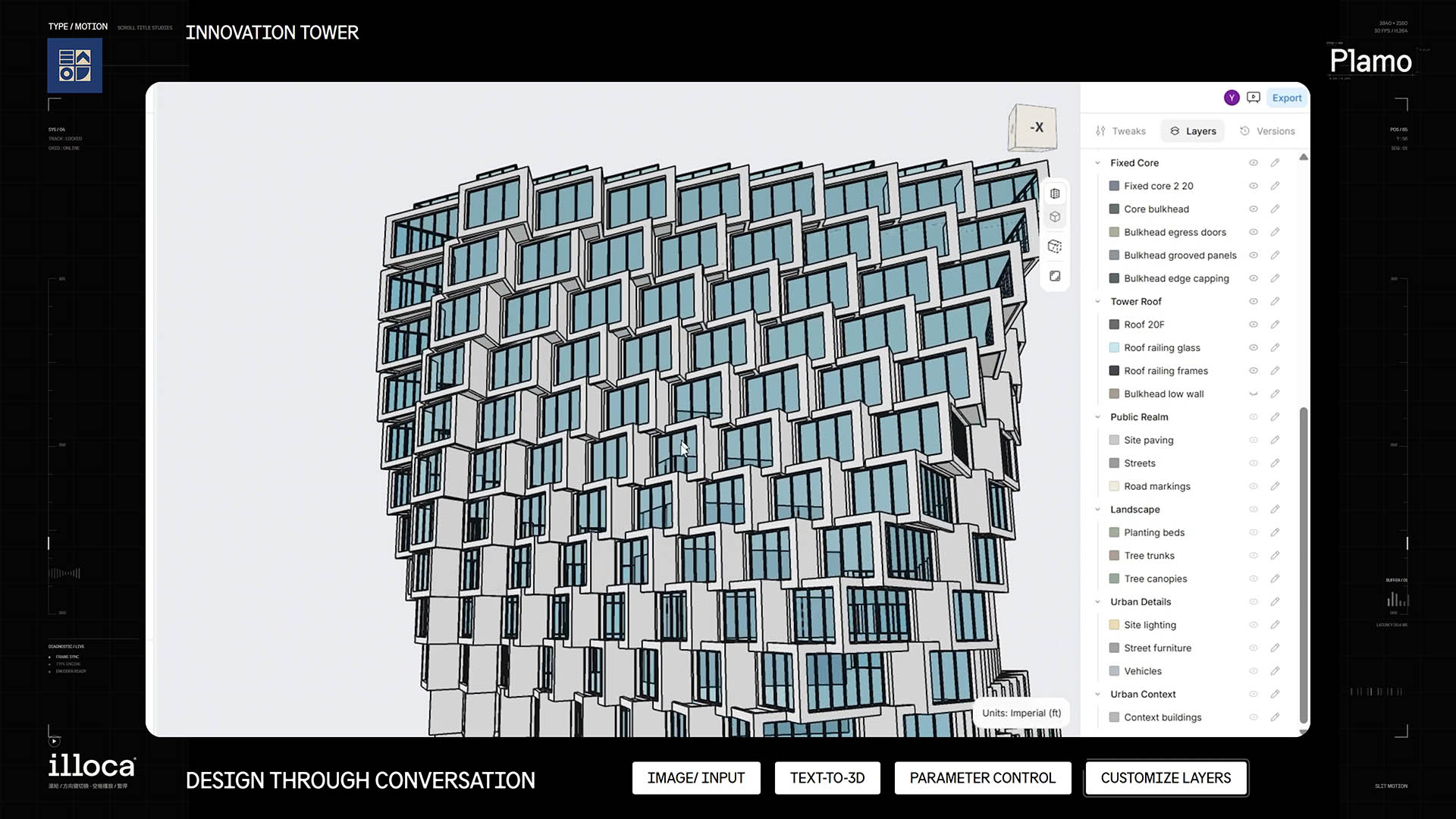
Plamo is a browser-based agentic 3D modelling workspace that turns sketches, reference images, drawings and natural language into editable geometry.
The company frames the technology as “vibe modelling”, a deliberate echo of vibe coding, where developers direct software at the level of intent rather than writing every line themselves. Illoca argues that designers still spend too much time manually building, rebuilding and coordinating geometry as projects evolve, and that an agent can handle more of that work while the designer directs the design.
Illoca’s key distinction is what happens after generation. Rather than producing a static mesh or one-off visual, Plamo creates editable boundary representation (BREP) geometry backed by parametric logic, allowing dimensions, systems and relationships to be changed without rebuilding the model from scratch. The company describes the result as an ongoing design environment rather than a generated endpoint.
Plamo’s agent interprets a request before it begins modelling, working from text, images, schematics, annotated drawings or full plan sets. According to Illoca, it can recreate a building, combine multiple references, introduce structural or MEP systems and reorganise geometry to match project conventions.
The company says the agent can research missing information and ask for clarification when the user’s intent is ambiguous, rather than filling gaps silently.
The AI Spotlight Directory is published by AEC Magazine in partnership with HP and Nvidia.
